

How China’s retirees became social media superstars
More of the country’s senior citizens are diving into content creation – and challenging ageist stereotypes
March 16, 2026, 12:01am
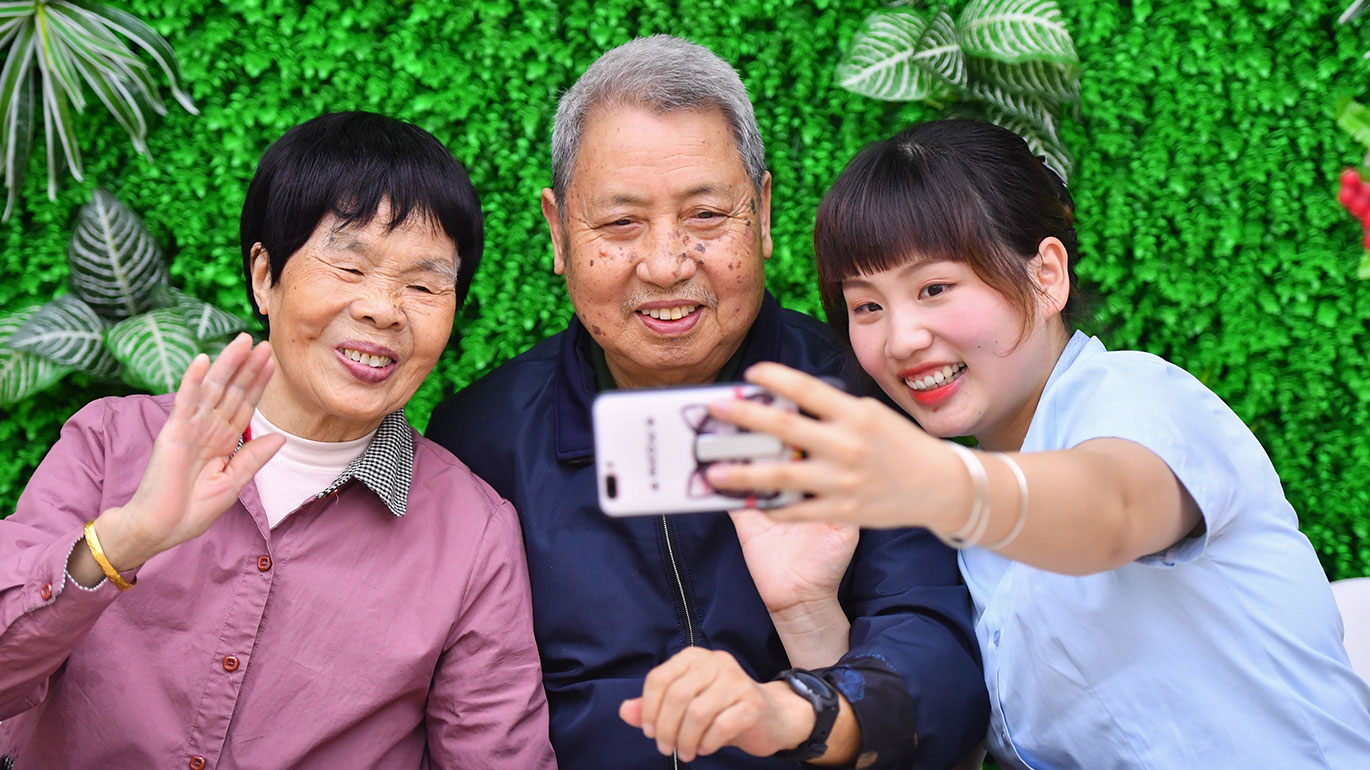
When Liu retired from his factory job in 2017 he found himself adrift, grappling with a profound sense of loss in the quiet days that followed. Encouraged by his son, he decided to try social media.
As a true foodie passionate about cooking and tasting regional cuisines, Liu began posting culinary videos online. Now approaching his 70th birthday, he has amassed over 5 million followers on Douyin, the Chinese version of TikTok.

“I’m so inspired by what my viewers have said,” he reflected, after filming a five-minute clip on his phone of a homemade seafood feast. “That really gave me the confidence to keep making these videos.”
A growing number of older Chinese people like Liu are jumping into the digital world. By June 2025, the number of internet users aged 60 and above in China had reached 161 million, covering over half of the country’s senior population, according to figures released by the China Internet Network Information Center.
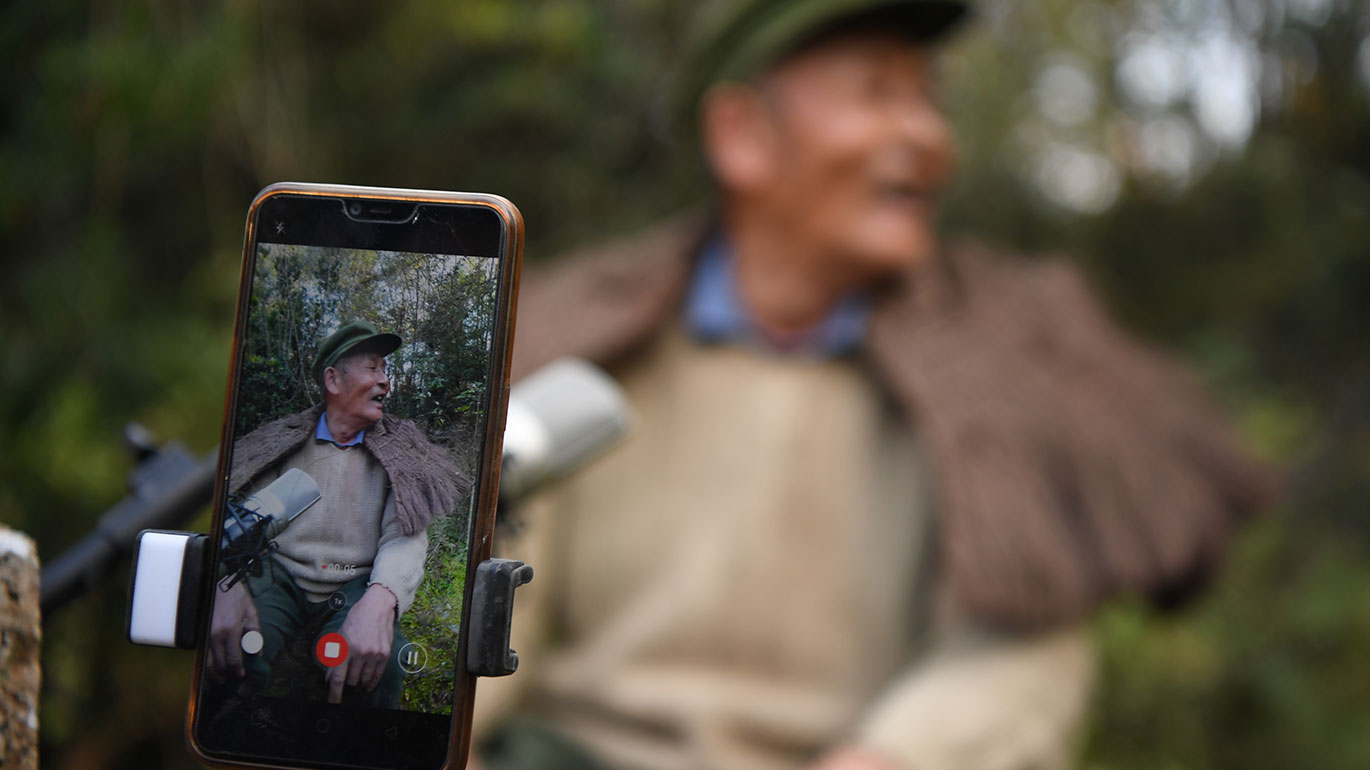
And they’re not all just browsing. The elderly are stepping into the spotlight as content creators: actively posting and sharing their lives on social media, from yellowed photos telling stories of the past to hobbies rediscovered in retirement.
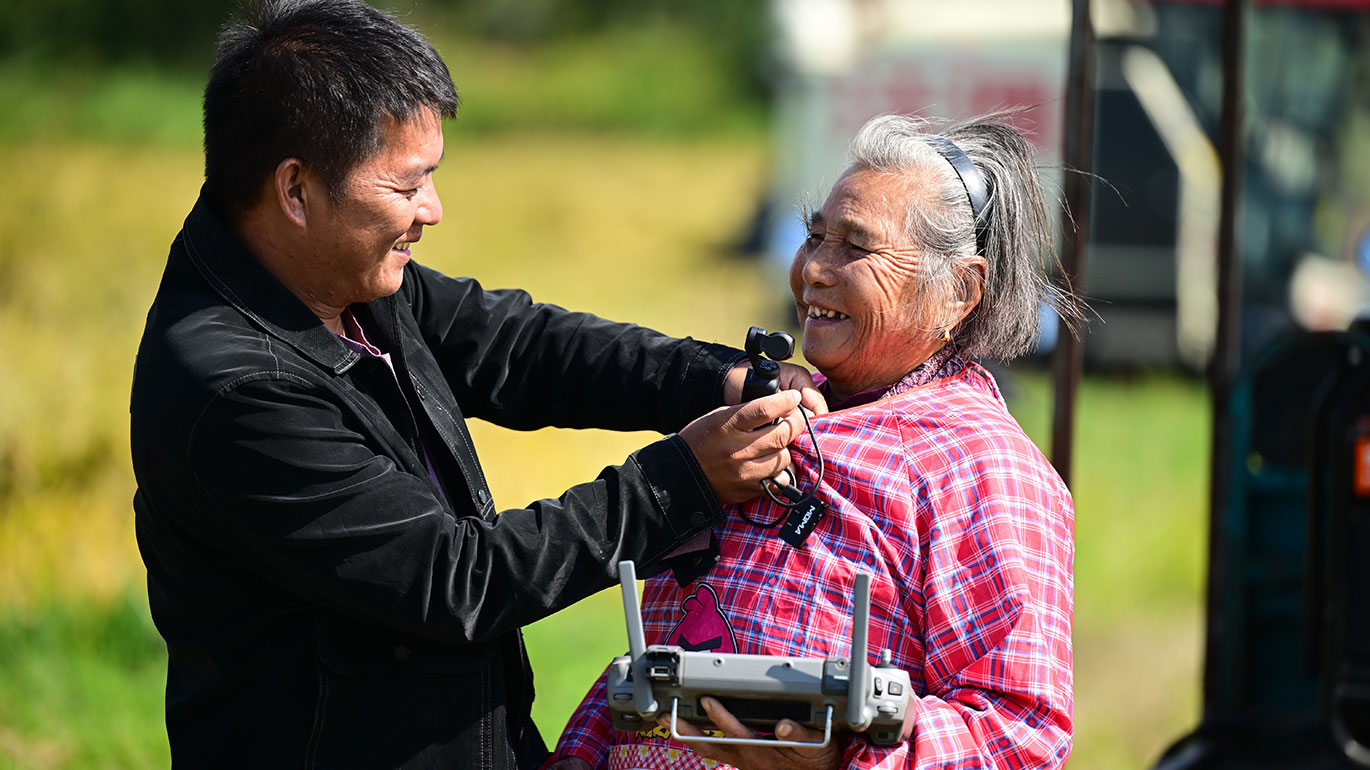
Xiaohongshu, known as Rednote outside of China and deemed a “gathering place for young people”, is also attracting its fair share of older users. By the end of 2024 the number of active monthly users aged 60 and above on the lifestyle-sharing platform had exceeded 30 million, while the number of its elderly content creators has tripled in the past two years. Senior users have published more than 100 million posts.
Their content has found an enthusiastic audience, particularly among young Chinese people. On Douyin, the follower counts of silver-haired influencers have reached up to 34 million, and the number of posts under the “Grandpa and Grandma” topic has surpassed 10 billion.
For 27-year-old Hu Yihang, checking for Liu’s latest videos on Douyin has become a bedtime routine. “There’s something so relatable about Liu. Every time I watch these videos, he reminds me of my own grandpa,” he said.
China is home to the world’s largest elderly population, with over 320 million people aged 60 and above by the end of 2025, accounting for more than a fifth of its total. The Chinese government is stepping up to adapt to an ageing demographic, striving to provide better services.
In 2024, China’s central government issued guidelines to develop the silver economy and improve seniors’ wellbeing. They emphasise the importance of enriching seniors’ cultural and sports activities as well as fostering the development of content industries tailored to their tastes, including literature, radio, film, television, music, short video and other media.
“China must actively respond to population ageing and refine the policies and mechanisms for coordinating the development of elderly care programmes and industries,” the Central Committee of the Communist Party of China noted in its recommendations for the country’s five-year plan spanning 2026 to 2030.
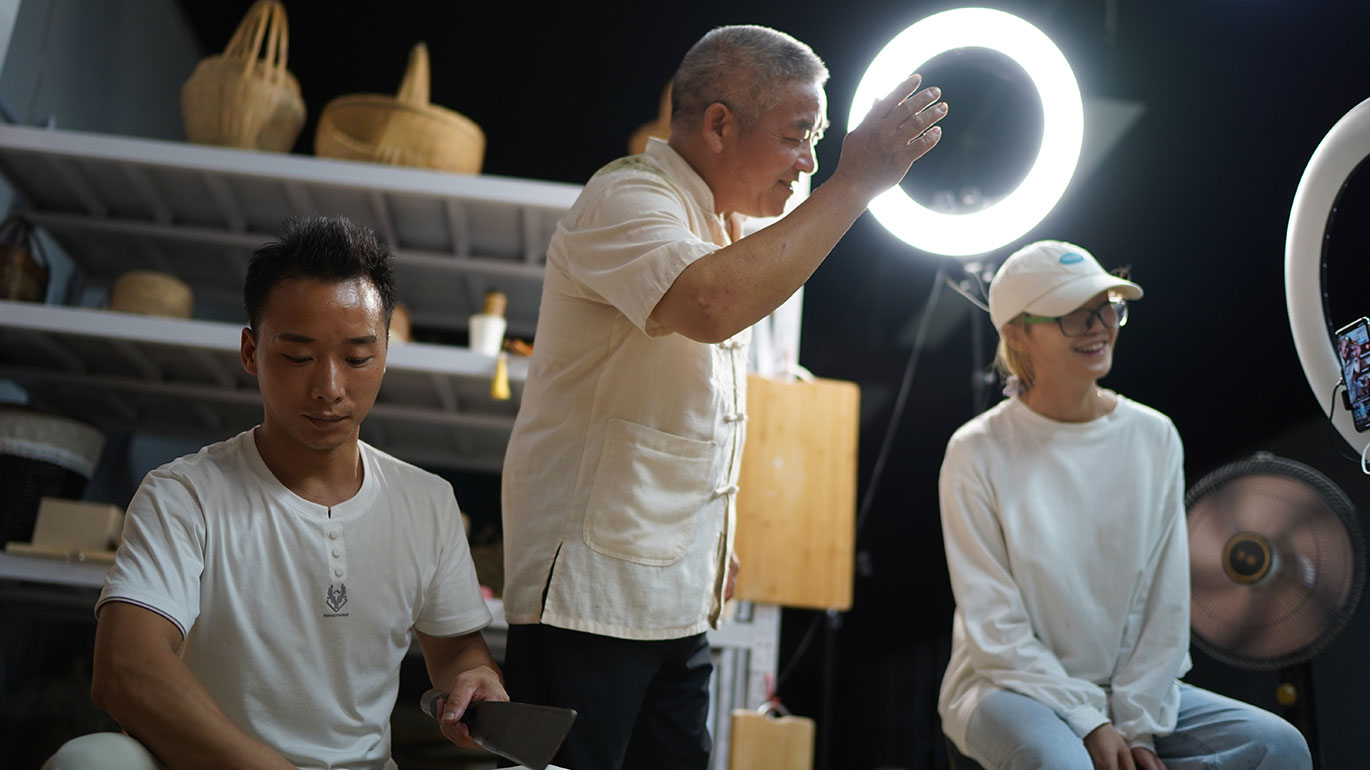
In recent years, senior training courses covering a wide range of areas – such as using smartphones, shopping online, and filming and editing short videos – have been offered by public institutions across China, lowering digital barriers.
The private sector has also been supportive. In 2024, Rednote invested 3.4 billion yuan (£360 million) to introduce senior-friendly updates, including enlarged fonts and simplified interactions.
“Elderly users aren’t resistant to new technology – they just need digital designs that better suit their needs,” a Rednote product manager said, adding that the platform’s optimisations have directly contributed to a rise in elderly creators.

The trend of older people flocking to social media is part of a broader shift in perceptions of ageing in China.
Surveys conducted by Renmin University of China in 2014 and 2020 found that Chinese seniors are becoming increasingly positive about growing older. In 2014, over 75 per cent of elderly respondents strongly or somewhat agreed that they were old; in 2020, this proportion fell to 47 per cent, reflecting a change in mindset.
Liu, the foodie influencer in Dalian, is delighted to see how his social media adventure cheers up his whole family. His son and daughter-in-law help shoot and produce the short videos, and his wife, who is also retired, appears as the lead.
“Growing old in years doesn’t mean growing old in spirit,” Liu shared online. “Keeping a sense of curiosity towards life helps me stay positive and energetic, and makes my retirement more fulfilling and vibrant.”