
China's elderly dependency ratio surpasses that of children for the first time, with fewer than 3 people per household
Affected by the dual impact of population aging and declining birth rates, the focus of China’s social dependency has officially shifted from‘raising the young’ to ‘supporting the elderly’.
According to the latest official data,last year the national old-age dependency ratio (23.1%) exceeded the child dependency ratio (22%) for the first time in history, meaning that for every 100 working-age people, there are 23.1 elderly people and 22 children.
At the same time,last year China’s average household size shrank to 2.52 people per household, a decrease of 0.58 people compared with 10 years ago.Minister of Civil Affairs Li Changguan wrote that changes in family structure have weakened intergenerational support for elderly care and child-rearing, and that the traditional reliance on families to prevent and withstand risks is being challenged.
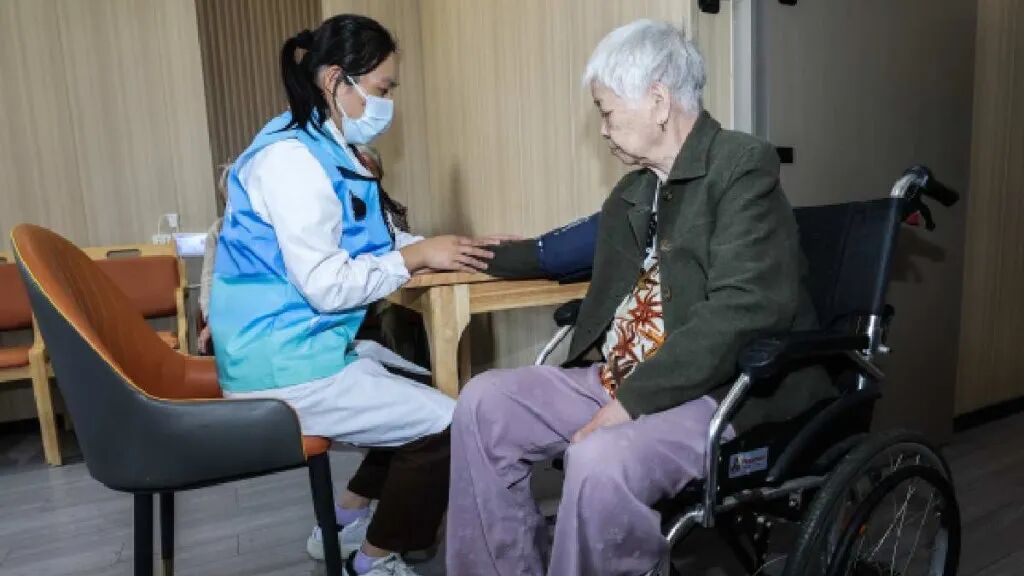
According to Yicai, the latest China Statistical Yearbook 2026 released by the National Bureau of Statistics shows that last year the national population aged 0 to 14 was 212.76 million, accounting for 15.1% of the total population; the population aged 65 and above was 223.65 million, accounting for 15.9% of the total population.
Calculations show that last year the national total dependency ratio was 45.1%, of which the child dependency ratio was 22% and the old-age dependency ratio was 23.1%, meaning that for every 100 people of working age there were 22 children and 23.1 elderly people. This is the first time the old-age dependency ratio has exceeded the child dependency ratio.
The child dependency ratio is the ratio of the population aged 0 to 14 to the population aged 15 to 64 (the working-age population), while the old-age dependency ratio is the ratio of the population aged 65 and above to the working-age population. These are the two most core indicators for measuring the burden of a country’s or region’s population structure.When both indicators are relatively low, it means society is in a demographic dividend period characterized by an abundant labor force, a low dependency burden, and a high savings rate.
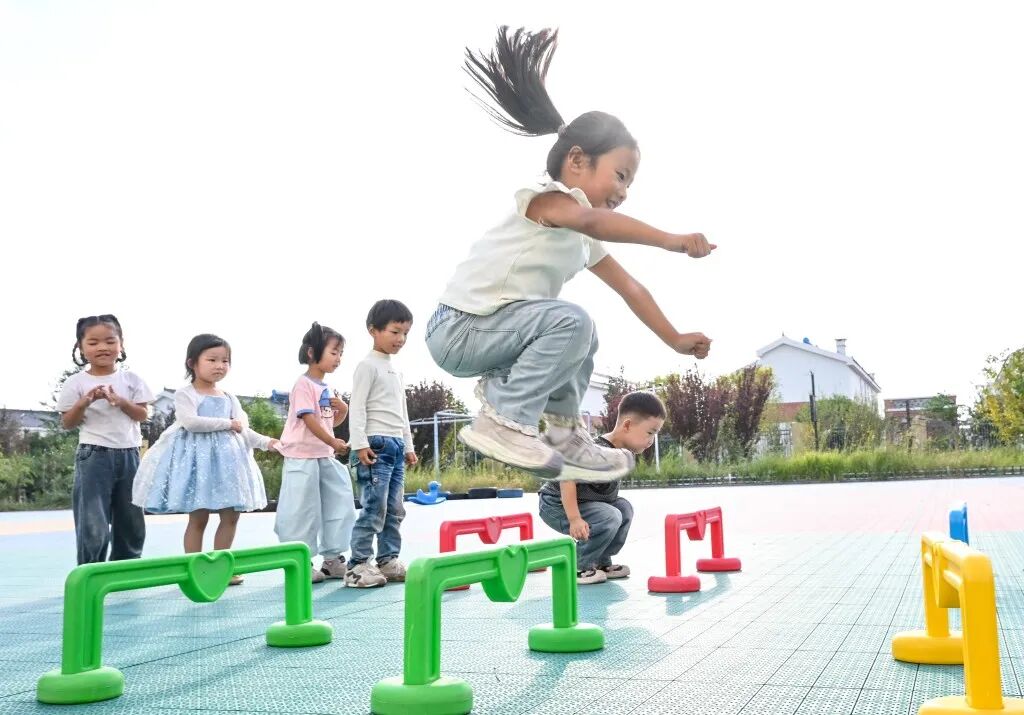
In recent years, China’s old-age dependency ratio has continued to rise. In 2016, China’s old-age dependency ratio was 15%, and by 2021 it exceeded 20% for the first time, reaching 20.8%. In 2024, the old-age dependency ratio rose to 22.8%, while the child dependency ratio that year was 23%, meaning the old-age dependency ratio was already very close to the child dependency ratio.
At the same time, according to the Main Data Bulletin of the 2025 National 1% Population Sample Survey released in May this year, China had a total of 514.65 million households, with a household population of 1.29685 billion, and an average household size of 2.52 people, a decrease of 0.58 people compared with 2015 and a decrease of 0.92 people compared with 2000.
The degree of aging will continue to deepen
Minister of Civil Affairs Li ChangguanIn an article titled ‘Doing Well the Good and Practical Things That Concern People’s Livelihood and Connect with People’s Hearts’ published in the Qiushi Journal earlier this month, he mentioned that China has shifted from a stage of population growth to a stage of population decline, with population development showing trend characteristics such as aging, declining birth rates, and differentiated population growth and decline across regions. The degree of aging will continue to deepen, and the task of responding to population aging is complex and arduous.
He also emphasized that the scale of Chinese families continues to shrink, and changes in family structure have weakened intergenerational support for elderly care and child-rearing. The traditional approach of relying on families to prevent and resist risks is being challenged, and civil affairs work must introduce a series of measures to strengthen elderly care services.

He gave examples, such as advancing the implementation of the national list of basic elderly care services, improving the three-tier urban and rural elderly care service network, vigorously developing embedded community elderly care service facilities, strengthening support for family-based elderly care, and advancing the reform of elderly care institutions by category.
At the same time, develop affordable and sustainable rural elderly care service models according to local conditions, and strengthen the supply of elderly care services for older people ‘at the bedside, at their side, and in their surroundings.’
|
Source: Yicai, Sing Tao Headline Network Disclaimer: This platform is committed to industry sharing and exchange, and articles do not represent the views of the platform. Copyright belongs to the original author. If there are errors in the source attribution or infringement of your lawful rights and interests, please contact us, and we will promptly correct or delete it. Thank you. |